Traditional Interior Design works best when the style is translated into a real, functional room. Instead of copying a single inspiration photo, focus on the design rules: palette, furniture shape, material mix, lighting, storage, and restraint.
Use AI Smart Decor to upload your room photo and preview a traditional redesign before you buy furniture, repaint, or commit to a full makeover.
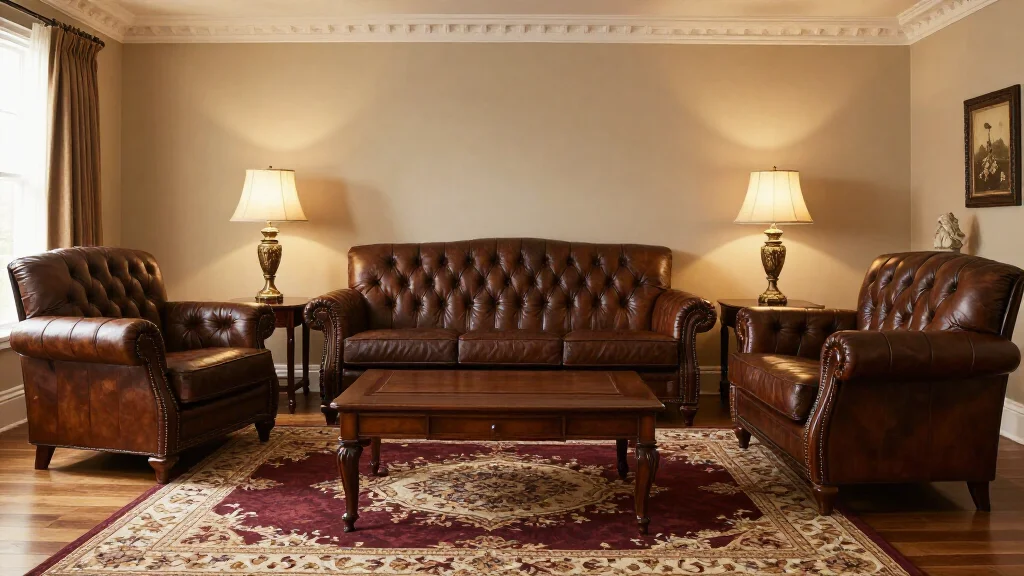
Quick Answer: Traditional Interior Design Essentials
| Element | Best Choice | Why It Works |
|---|---|---|
| Color palette | cream, ivory, camel, brown, navy, burgundy, sage, warm gray, brass, walnut, and rich wood tones | Creates a recognizable style direction |
| Materials | wood, wool, linen, velvet, leather, marble, brass, patterned fabric, framed art, and classic millwork | Adds texture and authenticity |
| Furniture | Simple silhouettes with the right scale | Keeps the room usable and balanced |
| Lighting | Warm layered lighting | Makes the style feel livable |
| Decor | Fewer, stronger pieces | Prevents visual clutter |
| Best rooms | formal living rooms, dining rooms, bedrooms, studies, entryways, and older homes with architectural detail | The style adapts well to these spaces |
What Defines Traditional Interior Design?
Traditional Interior Design is not just a set of products. It is a visual system. The room should have a clear mood, repeated materials, a controlled palette, and furniture that supports daily use.
Key traits:
- A consistent color story
- Furniture that matches the room scale
- Materials that repeat across the space
- Lighting that supports the mood
- Storage that keeps clutter controlled
- Decor that feels intentional
- A balance between style and comfort
The most successful rooms look designed, but still feel natural to live in.
Best Color Palette
For a dependable traditional palette, start with a neutral base and add contrast gradually.
Suggested formula:
- 60% base color: walls, large upholstery, or flooring
- 30% secondary color: rugs, curtains, wood tones, or cabinets
- 10% accent color: art, pillows, lighting, plants, or decor
For this style, use cream, ivory, camel, brown, navy, burgundy, sage, warm gray, brass, walnut, and rich wood tones. If the room feels too flat, add texture before adding more colors.
Furniture Ideas
Choose furniture based on proportion first and style second. A beautiful piece will still look wrong if it is too large, too small, or blocks circulation.
Good furniture choices:
- One strong anchor piece such as a sofa, bed, dining table, or desk
- Tables that match the scale of seating
- Storage pieces that reduce clutter
- Chairs with comfortable proportions
- Rugs large enough to connect the furniture zone
- Lighting placed where people actually sit or work
Avoid buying a full matching set. Rooms usually look better when pieces coordinate without being identical.
Material and Texture Guide
Traditional Interior Design depends on material mix. Use wood, wool, linen, velvet, leather, marble, brass, patterned fabric, framed art, and classic millwork to build depth.
A good room usually includes:
- One natural texture
- One smooth or polished surface
- One soft textile
- One darker grounding element
- One personal or handmade detail
This mix keeps the design from looking computer-generated or flat.
Step-by-Step Traditional Design Process
Step 1: Start with the Room's Anchor
Traditional rooms usually need a clear anchor: sofa, bed, dining table, fireplace, built-ins, or a large rug. Place the anchor first, then build symmetry and lighting around it.
Step 2: Balance Old and New
Traditional design can feel dated if every piece is dark, heavy, and matched. Keep the strongest classic pieces, then update the room with lighter walls, better lamps, fresh upholstery, simpler curtains, and art that feels current.
Step 3: Use Pattern with a Plan
Mix pattern by scale. For example: a large floral or rug pattern, a smaller stripe or check, and a solid fabric. Repeating one color across those pieces keeps the room connected.
Traditional Room Review Checklist
- Seating is comfortable and balanced.
- Lamps are placed where people sit.
- The rug fits the furniture zone.
- Wood tones feel intentional.
- Pattern repeats colors instead of competing.
- The room has storage for daily items.
- Classic pieces are balanced with lighter updates.
If the room feels too heavy, add lighter textiles, warmer walls, simpler art, or more open space around furniture.
Room-by-Room Ideas
Living Room
Start with the sofa and rug. Add a coffee table, layered lamps, one strong artwork, and storage that hides everyday clutter. Keep walkways clear and arrange seating around conversation, a fireplace, a view, or a media wall.
Bedroom
Use the bed as the focal point. Add nightstands, warm lighting, layered bedding, a large rug, and quiet artwork. Bedrooms should feel calmer and less visually busy than living spaces.
Kitchen
Use the style through cabinet color, hardware, backsplash, lighting, and stools. Keep counters edited. Kitchens need durability, so choose practical materials before decorative details.
Dining Room
Use the table as the anchor. Add comfortable chairs, a rug if appropriate, a pendant or chandelier, and one storage piece such as a sideboard. Avoid overcrowding the room with too many accent pieces.
Home Office
Use closed storage, a comfortable chair, a clear desk surface, and a backdrop that looks good on video calls. The best office designs reduce distraction while still reflecting personality.
How to Use AI for This Style
AI is especially useful for testing style direction before spending money. It can show whether a palette, furniture type, or room mood fits your actual architecture.
Use AI to test:
- Wall color
- Furniture style
- Rug size and placement
- Lighting mood
- Decor density
- Material combinations
- Alternate layouts
Then verify measurements before buying.
AI Prompt for Traditional Interior Design
Redesign this room in a traditional interior design style. Preserve the room structure, windows, doors, flooring, and realistic proportions. Use cream, ivory, camel, brown, navy, burgundy, sage, warm gray, brass, walnut, and rich wood tones as the color palette and include materials such as wood, wool, linen, velvet, leather, marble, brass, patterned fabric, framed art, and classic millwork. Make the room photorealistic, functional, uncluttered, comfortable, and cohesive. Avoid rooms that feel heavy, dated, or overly matched; too many dark pieces; and ignoring modern comfort.
Traditional Prompt Variations
Traditional Living Room
Redesign this living room in a fresh traditional style. Keep the room structure, windows, doors, and flooring. Add comfortable seating, a properly sized rug, paired lamps, warm wood, brass accents, framed art, classic curtains, and a balanced palette of cream, camel, sage, navy, and walnut.
Traditional Dining Room
Redesign this dining room in a traditional style with a comfortable table, classic chairs, warm wood, a centered chandelier, sideboard storage, framed art, and a rug large enough for pulled-out chairs. Keep the room elegant but usable.
Traditional Design on a Budget
You can update a traditional room without replacing everything. Keep solid wood furniture, then change lampshades, upholstery, wall color, curtains, rug, or art. A single antique or vintage piece can make the room feel collected, but too many heavy pieces can make it feel dated.
Traditional Room Formula
Use this formula for a classic room that still feels current:
- Comfortable anchor furniture
- Properly sized rug
- Paired lamps or balanced lighting
- One classic pattern
- Warm wood or brass
- Lighter walls or textiles
- Art that feels personal, not generic
- Enough storage to keep surfaces edited
Traditional design works when the room feels settled. It fails when every piece is heavy, dark, and matched.
How to Update Traditional Furniture
If you already own traditional furniture, do not replace everything at once. Start by changing the context around it:
| Existing Piece | Update Around It |
|---|---|
| Dark wood dining table | Lighter wall color, simpler chairs, updated chandelier |
| Heavy sofa | Fresh upholstery, larger rug, cleaner coffee table |
| Antique cabinet | Modern art, warm lamp, edited objects |
| Classic bed frame | Neutral bedding, simple nightstands, softer lamps |
| Ornate mirror | Plain wall color and fewer surrounding objects |
One strong traditional piece can anchor a room. Five heavy pieces can overwhelm it.
Traditional Dining Room Checklist
- Table has enough clearance for chairs.
- Rug, if used, is large enough for pulled-out chairs.
- Chandelier is centered over the table, not only the room.
- Sideboard storage supports serving and linens.
- Art or mirror relates to the table scale.
- Chairs are comfortable enough for a full meal.
- Pattern appears in controlled places: rug, curtains, or upholstery, not all at once.
Common Mistakes
Avoid:
- rooms that feel heavy, dated, or overly matched; too many dark pieces; and ignoring modern comfort
- Buying furniture before measuring
- Using decor instead of solving layout problems
- Choosing a rug that is too small
- Relying on one overhead light
- Copying a trend without adapting it to your home
- Forgetting storage
- Ignoring how the room is used every day
Final Recommendation
Use traditional interior design as a framework, not a costume. Start with the room function, then build the palette, layout, furniture, lighting, and materials around that function. Preview the direction with AI Smart Decor, choose the best concept, then buy pieces that match your dimensions and budget.