The best bedroom design ideas make the room feel calm, functional, and personal. Start with bed placement, then build around lighting, storage, color, rugs, and texture. If you are unsure which style fits your space, use AI Smart Decor to visualize a bedroom makeover before buying anything.
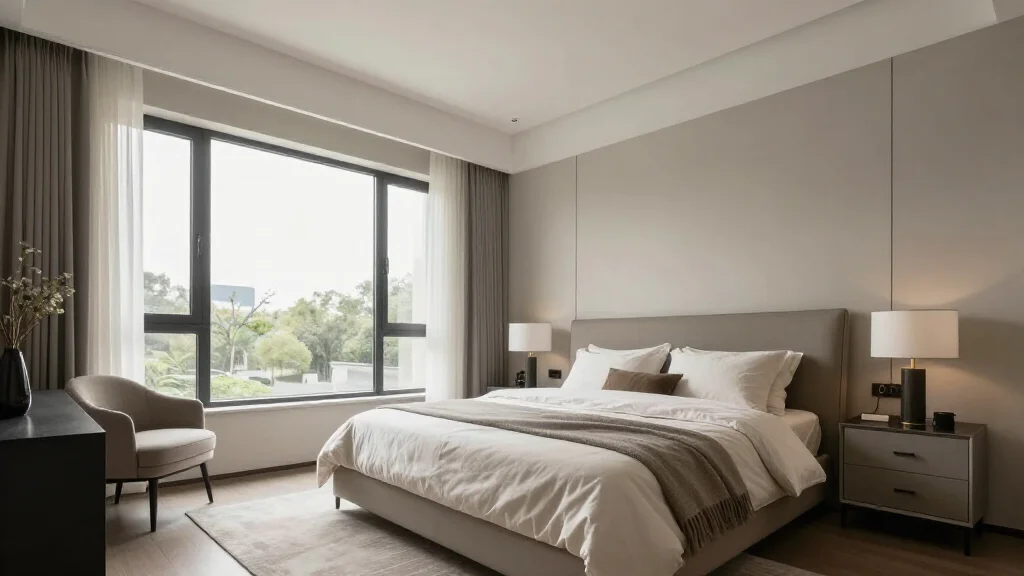
Quick Answer: Bedroom Design Checklist
| Element | Best Practice | Why It Matters |
|---|---|---|
| Bed placement | Main wall with clear access | Creates balance and function |
| Colors | Soft, restful tones | Supports relaxation |
| Lighting | Layered warm lighting | Works for reading and winding down |
| Storage | Closed storage + under-bed options | Reduces clutter |
| Rug | Large enough around bed | Adds comfort and scale |
| Bedding | Layered natural textures | Makes the room feel finished |
| Decor | Minimal and personal | Keeps the space calm |
Start with Bed Placement
The bed is the anchor of the bedroom. Place it before choosing anything else.
Good bed placement rules:
- Use the largest solid wall when possible.
- Leave space on both sides of the bed.
- Keep closet and bathroom doors clear.
- Avoid placing the bed directly under a window if it blocks light or curtains.
- Make sure drawers and nightstands can open.
- Keep walking paths comfortable.
If the room is small, prioritize mattress size and circulation over extra furniture.
Step-by-Step Bedroom Design Process
Step 1: Choose the Bed Wall
Look for the wall that gives the bed visual balance without blocking windows, closets, or doors. In many rooms, this is the longest solid wall. In smaller rooms, it may be the only wall that leaves enough path space.
If the bed must sit under a window, use curtains, a lower headboard, and matching nightstands to make the placement feel intentional. If only one side of the bed can have a nightstand, add a wall sconce or small shelf on the tighter side.
Step 2: Measure the Furniture Before Styling
Bedrooms often feel crowded because the bed, dresser, and nightstands are too large together. Measure these items first:
| Item | What to Check |
|---|---|
| Bed | Width, length, headboard height |
| Nightstands | Width, depth, drawer clearance |
| Dresser | Depth and drawer pull-out space |
| Rug | Extension around bed sides and foot |
| Bench | Space between bench and wall or dresser |
Leave comfortable walking space where you get dressed, open drawers, and access the closet. The room should feel restful, not like furniture storage.
Step 3: Build the Room in Layers
Work in this order: bed placement, rug, nightstands, lighting, storage, curtains, bedding, art, and small decor. This keeps the room grounded before you start buying accessories.
If you start with decor first, it is easy to end up with a pretty room that still lacks storage, good lighting, or a comfortable path around the bed.
Choose a Calming Bedroom Color Palette
Bedrooms usually work best with lower-energy colors.
Good palettes:
Warm Neutral Bedroom
- Warm white walls
- Beige bedding
- Oak nightstands
- Soft taupe rug
- Black or brass lamps
Soft Blue Bedroom
- Pale blue-gray walls
- White bedding
- Natural wood furniture
- Navy accent pillow
- Linen curtains
Sage Green Bedroom
- Sage walls or accent wall
- Cream bedding
- Walnut furniture
- Woven rug
- Ceramic lamps
Modern Bedroom
- Greige walls
- Upholstered bed
- Charcoal accents
- Large neutral rug
- Minimal art
Avoid high-saturation red, bright orange, or neon colors as the main palette unless you intentionally want a high-energy room.
Layer the Lighting
A bedroom needs more than one overhead light.
Use:
- Ambient light: ceiling fixture, pendant, or recessed lights
- Task light: bedside lamps or sconces for reading
- Accent light: soft lamp, picture light, or LED strip for mood
Use warm bulbs and dimmers. Cool white lighting can make a bedroom feel clinical.
Add Storage Before Decor
Clutter ruins bedroom design quickly. Plan storage early.
Storage ideas:
- Nightstands with drawers
- Under-bed storage
- Storage bench
- Tall dresser
- Closet organizers
- Wall hooks behind doors
- Floating shelves used sparingly
- Built-in wardrobe if space allows
Closed storage is usually better than open storage for bedrooms because it keeps the room restful.
Choose the Right Rug Size
Bedroom rugs often look wrong because they are too small.
Good rug guidelines:
- Queen bed: usually 8x10 works well
- King bed: usually 9x12 works well
- Small bedroom: runners on each side can work
- Rug should extend beyond the sides and foot of the bed
A rug makes the bed zone feel intentional and softens the room acoustically.
Bedroom Rug Placement Options
There are three common ways to place a bedroom rug:
| Rug Placement | Best For |
|---|---|
| Under the lower two-thirds of the bed | Most queen and king bedrooms |
| Full bed and nightstands on rug | Large rooms with a large rug |
| Runners on both sides | Small bedrooms or tight budgets |
For a queen bed, an 8x10 rug usually works. For a king bed, a 9x12 rug usually looks better. If the room is small, two runners can give softness underfoot without forcing a rug that blocks doors or vents.
Bedroom Design Ideas by Style
Modern Bedroom
Use clean lines, warm neutrals, simple lamps, and uncluttered surfaces. See modern interior design.
Scandinavian Bedroom
Use pale wood, white walls, cozy bedding, and minimal decor. See Scandinavian interior design.
Japandi Bedroom
Use low furniture, natural textures, muted colors, and strong simplicity.
Coastal Bedroom
Use linen bedding, pale blues, warm whites, and woven accents. See coastal interior design.
Mid-Century Bedroom
Use a platform bed, walnut nightstands, globe lamps, and warm accent colors. See mid-century interior design.
Small Bedroom Design Ideas
For small bedrooms:
- Use wall sconces instead of table lamps.
- Choose narrow nightstands.
- Use a bed with storage.
- Keep furniture legs visible when possible.
- Use mirrors to reflect light.
- Mount shelves instead of adding bulky bookcases.
- Keep bedding simple.
- Avoid oversized headboards.
Small bedrooms need fewer, better pieces.
Bedroom Ideas by Need
Better Sleep
Use blackout curtains, warm bulbs, a calmer palette, less surface clutter, and bedding that feels good in your climate. Keep work items, laundry piles, and exercise gear out of the main sightline if possible.
More Storage
Choose a storage bed, taller dresser, closet system, nightstands with drawers, and baskets inside the closet. Closed storage usually works better than open shelves because bedrooms collect small personal items quickly.
Rental Bedroom
Use reversible changes: lamps, curtains, bedding, a rug, removable art, and freestanding storage. A rental bedroom can still feel finished without paint or built-ins.
Guest Bedroom
Use a comfortable mattress, simple nightstands, reading lights, luggage space, curtains, and a small open surface for guests. Avoid filling the closet with your own overflow storage if guests stay often.
Bedroom Decor Ideas
Good bedroom decor should feel personal but calm.
Use:
- One large artwork above the bed
- Soft curtains
- A plant or two
- Books on the nightstand
- Textured throw blanket
- Decorative tray
- Mirror if it reflects light nicely
Avoid filling every surface. Negative space is part of bedroom design.
AI Bedroom Design Prompt
Use this prompt in AI Smart Decor:
Redesign this bedroom as a calm modern bedroom. Preserve the room structure, windows, doors, flooring, and realistic proportions. Add a comfortable bed with layered neutral bedding, warm bedside lighting, natural wood nightstands, a large soft rug, subtle wall art, closed storage, linen curtains, and a relaxing palette of warm white, beige, taupe, and soft sage. Make the room photorealistic, uncluttered, cozy, and sleep-friendly.
Extra Bedroom Prompts to Try
Small Bedroom
Redesign this small bedroom with a properly scaled bed, wall-mounted lighting, narrow nightstands, under-bed storage, soft curtains, a light color palette, and clear walking paths. Keep the room calm and practical.
Primary Bedroom
Redesign this primary bedroom with a balanced bed wall, layered bedding, warm lamps, a large rug, closed storage, curtains, art, and a relaxed neutral palette. Preserve the room structure and make the design realistic.
Guest Bedroom
Create a welcoming guest bedroom with a comfortable bed, simple nightstands, reading lights, luggage space, soft bedding, a mirror, and uncluttered surfaces. Keep the design warm, practical, and easy to maintain.
Common Bedroom Design Mistakes
- Bed is too large for the room
- Rug is too small
- Only one overhead light
- No storage plan
- Too many bright colors
- Nightstands are the wrong height
- Cluttered surfaces
- Curtains are too short
- Furniture blocks closet access
- Design looks good but does not support sleep
Bedroom Design Review Checklist
Before buying furniture, walk through the morning and evening routine. Can you open the closet, dresser, and bedroom door without moving around furniture? Can both sides of the bed reach a light? Is there a place for books, glasses, phone chargers, laundry, and extra bedding?
Check these details:
- Bed placement leaves the main path clear.
- Nightstands are close to mattress height.
- Lamps or sconces can be reached from bed.
- The rug extends beyond the bed enough to step onto.
- Storage is closed where clutter would collect.
- Curtains cover the window properly.
- The palette feels calm in both daylight and evening light.
If the room still feels busy, remove one furniture piece before adding more decor.
When to Use AI for Bedroom Design
Use AI before buying a bed frame, rug, dresser, curtains, or paint. These choices set the mood and are costly to reverse. Generate one calm neutral version, one color-focused version, and one storage-focused version. The comparison usually makes the best direction obvious and helps you avoid buying random pieces that do not work together.
If two versions both look good, choose the one with better storage and simpler lighting. Bedrooms need to support real routines: getting dressed, winding down, reading, charging devices, and keeping laundry under control. A quieter design usually lasts longer than a trend-heavy one.
Final Recommendation
Design the bedroom around rest first. Place the bed well, choose a calming palette, add soft lighting, solve storage, then layer texture and decor. Use AI Smart Decor to test styles before buying furniture or repainting.