A good living room should be comfortable, easy to move through, and visually balanced. The best living room design ideas start with layout and function before color, decor, or trends.
Use AI Smart Decor to preview living room makeovers in your actual space before buying a sofa, rug, paint, or lighting.
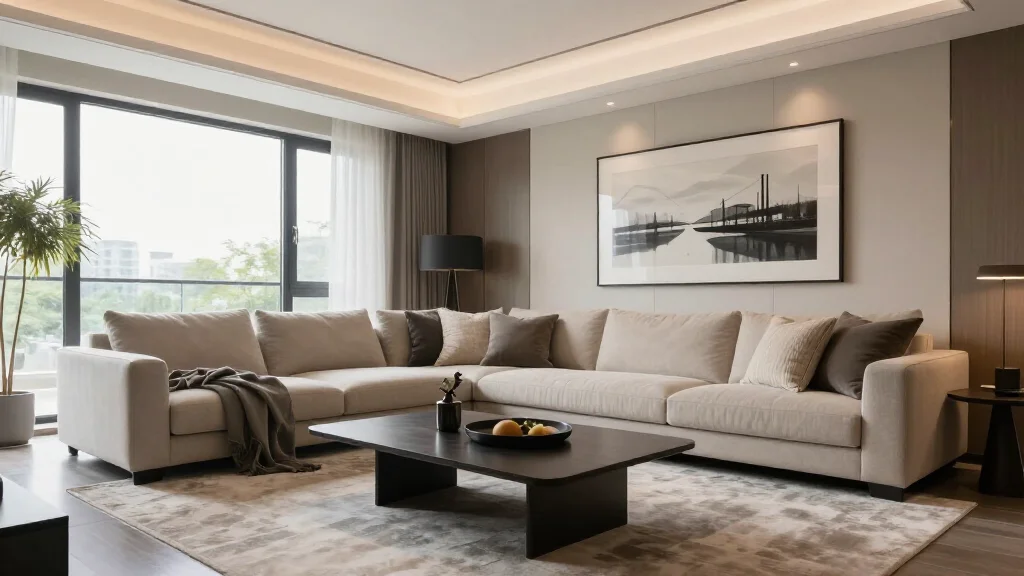
Quick Answer: Living Room Design Checklist
| Element | Best Practice | Why It Matters |
|---|---|---|
| Focal point | Fireplace, TV, view, art, or built-ins | Gives the layout direction |
| Sofa | Correct scale for room | Prevents crowding |
| Rug | Large enough for furniture zone | Makes the room feel anchored |
| Lighting | Floor, table, and overhead layers | Creates mood and function |
| Storage | Media console, shelves, cabinets | Controls clutter |
| Color | Neutral base with accents | Keeps the room flexible |
| Decor | Fewer, intentional pieces | Adds personality without mess |
Start with the Focal Point
Every living room needs a focal point. It can be:
- Fireplace
- TV wall
- Large window or view
- Built-in shelving
- Statement artwork
- Sofa wall
- Conversation area
Arrange furniture around the focal point, but do not let the TV be the only design decision unless that is truly how the room is used.
Choose the Right Sofa
The sofa is usually the anchor piece. Measure before buying.
Sofa tips:
- Small rooms: apartment sofa or loveseat + chair
- Medium rooms: standard sofa + accent chairs
- Large rooms: sectional or two sofas
- Open rooms: sectional can define the zone
- Formal rooms: two facing sofas or four chairs
Avoid oversized sectionals that block paths or make the room feel smaller.
Living Room Layout Ideas
Conversation Layout
Place seating so people face each other. This works well for families, guests, and rooms without a TV focus.
TV-Friendly Layout
Place the sofa facing the TV, then add side chairs angled toward both the TV and conversation area.
Small Living Room Layout
Use a compact sofa, round coffee table, wall-mounted shelves, and a large rug. Choose furniture with legs to create visual openness.
Open-Plan Layout
Use a rug, sofa back, console table, or lighting to define the living zone from kitchen or dining areas.
Step-by-Step Living Room Design Process
Step 1: Write Down How the Room Is Used
Most living rooms fail because they are designed around a photo instead of daily life. Before choosing furniture, list the main uses of the room.
Common living room needs:
- Watching TV
- Hosting guests
- Reading
- Kids playing
- Working on a laptop
- Napping
- Board games
- Pet beds
- Extra storage
Rank the top three. A room used for movie nights needs different seating, lighting, and table placement than a formal sitting room. A room used by kids needs tougher fabrics and closed storage. A room used for reading needs lamps near the best seats.
Step 2: Draw the Walkways First
Walkways matter more than decor. Leave 30-36 inches for main paths where people move through the room. Leave about 16-18 inches between a sofa and coffee table. If two people need to pass behind a sofa, give that path more room.
When a living room feels cramped, the problem is often not the wall color. It is usually furniture depth, rug size, or blocked circulation. Fix those before buying accessories.
Step 3: Pick the Sofa Shape
The right sofa depends on the room shape.
| Room Type | Best Sofa Choice | What to Avoid |
|---|---|---|
| Narrow room | Apartment sofa or slim sofa with two chairs | Deep sectional that blocks the path |
| Square room | Standard sofa plus two chairs | One tiny loveseat floating alone |
| Open-plan room | Sectional or sofa with console behind it | Furniture with no defined zone |
| Formal room | Two sofas or four chairs | TV-only layout if guests are the priority |
| Small rental | Loveseat, chair, and storage ottoman | Oversized recliner set |
If you are unsure, test two layouts with AI before shopping: sofa facing the focal point and sofa floating to divide the room.
Rug Rules
The rug should connect the furniture.
Good rules:
- Front sofa legs should sit on the rug.
- Chairs should connect to the same rug if possible.
- Coffee table should be centered on the rug.
- Avoid tiny rugs floating in the middle.
A larger rug often makes a living room look more expensive.
Living Room Rug Size Guide
Use the rug to define the seating area, not to fill empty floor.
| Seating Setup | Rug Size to Test |
|---|---|
| Loveseat and one chair | 5x8 or 6x9 |
| Standard sofa and two chairs | 8x10 |
| Sectional | 9x12 |
| Large open-plan seating area | 10x14 |
The front legs of the sofa and chairs should usually sit on the rug. If the rug stops before the furniture, the room can look disconnected. If the rug is too large for every piece to touch, center it under the main seating zone and keep the furniture spacing consistent.
Lighting Ideas
Use three lighting layers:
- Ambient: ceiling light or recessed lighting
- Task: reading floor lamp or table lamp
- Accent: picture light, shelf light, or decorative lamp
Warm bulbs and dimmers make the room more comfortable at night.
Color Palette Ideas
Warm Modern
Warm white walls, beige sofa, oak furniture, black accents, textured rug.
Cozy Traditional
Cream walls, patterned rug, wood tables, brass lamps, layered art.
Coastal Living Room
Soft white, light blue, woven texture, linen curtains, pale wood.
Mid-Century Living Room
Walnut furniture, clean sofa, warm rug, globe lighting, muted accent colors.
Small Living Room Ideas That Actually Help
Small living rooms need fewer heavy pieces, not smaller versions of everything.
Try these ideas:
- Choose a sofa with visible legs so more floor shows.
- Use one larger rug instead of a tiny rug.
- Add wall shelves instead of another bookcase.
- Pick a round or oval coffee table to soften tight paths.
- Hang curtains high and wide to make windows feel larger.
- Use two lamps instead of one harsh ceiling light.
- Keep side tables narrow but functional.
- Choose a media console with doors.
Avoid buying too many accent chairs "just in case." Extra seats are useful only if people can reach them, set down a drink, and move around them.
Living Room Lighting Plan
A good living room should have at least three light sources. One overhead fixture is rarely enough.
Use this simple setup:
- Ceiling light or recessed lighting for general light.
- Floor lamp near the sofa or reading chair.
- Table lamp on a side table or console.
- Optional picture light, shelf light, or small accent lamp.
Use warm bulbs around 2700K-3000K for a comfortable evening feel. Add dimmers where possible. If the room looks flat in AI concepts or real photos, the missing piece is often lighting height and variety.
Finishing Touches That Make the Room Feel Complete
Once the layout, rug, lighting, and storage are solved, finish with a small set of pieces that repeat the room palette. Choose two or three pillow fabrics, one throw blanket, one tray or bowl for the coffee table, and art that connects to the sofa, rug, or curtains. Keep surfaces partly empty so the room feels lived in rather than staged for a catalog.
Plants help soften corners, but scale matters. Use one floor plant near a window or two smaller plants on shelves. If the room is dark, choose realistic faux greenery instead of fighting the light.
Storage and Clutter Control
Living rooms collect remotes, blankets, books, toys, and chargers. Plan storage early.
Good storage:
- Media console with doors
- Storage ottoman
- Baskets
- Built-ins
- Side tables with drawers
- Closed cabinets
A room looks more designed when everyday objects have a home.
AI Living Room Design Prompt
Redesign this living room in a warm modern style. Preserve the room structure, windows, doors, flooring, and realistic proportions. Improve the seating layout, add a correctly sized rug, layered warm lighting, a cohesive neutral palette, natural wood accents, practical storage, curtains, art, and minimal decor. Make it photorealistic, comfortable, uncluttered, and suitable for everyday use.
Example Prompts for Different Living Room Styles
Cozy Family Living Room
Redesign this living room for a family with comfortable seating, durable fabrics, closed storage, a large rug, warm lamps, curtains, and a calm neutral palette. Keep the current walls, windows, doors, and floor. Make the room practical for daily use, not formal.
Small Apartment Living Room
Redesign this small apartment living room with space-saving furniture, a correctly sized rug, wall storage, warm lighting, and a light color palette. Keep the layout realistic and leave clear walking paths.
TV and Conversation Layout
Improve this living room so it works for both TV watching and conversation. Keep the TV wall, windows, doors, and flooring. Adjust seating, rug size, side tables, lamps, storage, and art so the room feels balanced.
Common Living Room Mistakes
- Sofa is too large
- Rug is too small
- All furniture pushed against walls
- No side tables near seats
- Only one overhead light
- TV wall dominates the whole room
- No storage for daily clutter
- Too many tiny decor pieces
- Curtains hung too low
Shopping Order for a Living Room
Buy in this order: sofa, rug, main storage, lighting, side tables, curtains, art, then small decor. This order prevents the common mistake of buying pillows and accessories before the room has a functional foundation. If you already own a sofa, start by testing rug size and seating placement because those two decisions usually create the biggest improvement.
For renters, focus on reversible upgrades: larger rugs, better lamps, curtains hung high and wide, removable art, plants, and storage furniture. For homeowners, built-ins, new lighting, fireplace updates, and paint can create a more permanent transformation.
Practical Measurement Reminder
Before turning any AI concept into purchases, measure the room, doorways, ceiling height, existing furniture, and main walkways. Write the measurements in a note and keep them open while shopping. This small step prevents most scale mistakes and makes the final room feel closer to the AI concept you selected.
Final Recommendation
Design your living room around how you actually live. Start with the focal point, choose properly scaled seating, anchor the layout with a large rug, layer lighting, add storage, then finish with color and decor. Preview options with AI Smart Decor before making major purchases.