AI virtual staging for real estate has evolved far beyond a simple marketing trick for listing agents. In 2026, the technology underpins workflows across the entire real estate industry — helping developers pre-sell unbuilt condos, giving investors rapid property analysis, and allowing architects to communicate design intent without expensive physical models. This guide breaks down how every major role in real estate benefits from AI staging, what the technology actually does, and how to get started regardless of your niche.
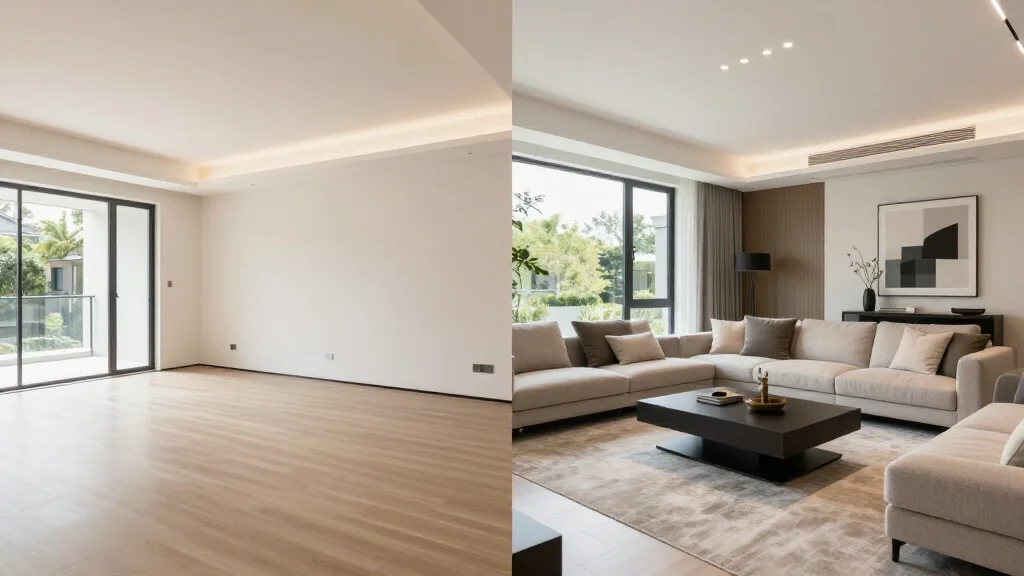
What Is AI Virtual Staging?
AI virtual staging uses machine learning models to digitally furnish, decorate, and style photographs of empty or outdated rooms. You upload a photo, choose a design direction, and the AI generates a photorealistic image of the space complete with furniture, lighting, rugs, artwork, and accessories. Unlike traditional virtual staging — which relied on manual Photoshop work from graphic designers — real estate AI staging tools produce results in seconds rather than days, at a fraction of the cost.
The underlying models have improved dramatically. Current-generation tools understand spatial geometry, natural light direction, shadow casting, and material textures. The result is output that is nearly indistinguishable from a photograph of a physically staged room. Platforms such as AI Smart Decor lead this space by offering instant generation, multiple style presets, and high-resolution downloads suitable for MLS, print marketing, and social media.
Why the Entire Real Estate Industry Is Adopting AI Staging
The virtual staging real estate industry was once limited to listing agents trying to make vacant properties look appealing. That narrow use case has exploded into a broad toolkit that serves anyone who needs to visualize a space that does not yet exist in its final form — or that currently looks unappealing.
Several market forces are accelerating adoption:
- Cost pressure. Physical staging runs $2,000 to $8,000 per property. AI staging costs $15 to $50 per image.
- Speed. Deals move faster when marketing materials are ready in hours, not weeks.
- Remote decision-making. Buyers, investors, and tenants increasingly evaluate properties online before visiting in person. Compelling visuals are no longer optional.
- Pre-construction demand. Developers need to market units years before completion. AI staging fills that gap without expensive 3D renders.
AI Virtual Staging Use Cases by Role
Real Estate Agents: Listing Photos That Sell
For agents, AI virtual staging remains the highest-impact application. Staged listings attract more online views, generate more showings, and sell faster. Studies consistently show that staged homes sell up to 73% faster than their unstaged counterparts.
Key agent workflows include:
- Vacant property staging. Upload photos of empty rooms and generate furnished versions in modern, traditional, farmhouse, Scandinavian, or luxury styles. Tailor the look to your target buyer demographic.
- Occupied property restyling. Some tools can remove existing furniture and replace it with updated decor, helping sellers with dated interiors present a fresh look without moving anything.
- Multi-style presentations. Generate the same room in three or four styles and let buyers choose what resonates. This is especially powerful for open houses and social media carousels.
- Day-to-dusk conversion. Transform daytime exterior shots into warm twilight images that evoke emotional responses and stand out in listing feeds.
Agents looking to deepen their staging strategy should explore our guide on virtual staging for realtors, which covers listing optimization in detail.
Property Developers: Pre-Construction Marketing
Developers face a unique challenge: selling units that do not physically exist yet. Traditional pre-construction marketing depends on architectural renderings that cost $500 to $3,000 per image and take weeks to produce. AI virtual staging compresses that timeline to minutes.
How developers use the technology:
- Model unit visualization. Stage floor plan photos or basic 3D shells to show buyers what finished units will look like, complete with furniture and finishes.
- Finish option previews. Generate the same unit with different cabinet colors, flooring materials, or countertop options so buyers can compare upgrade packages.
- Marketing collateral at scale. A 200-unit development might have 15 unique floor plans. AI staging lets developers create styled images for every layout without commissioning individual renders.
- Investor pitch decks. Before breaking ground, developers need to secure financing. Professionally staged visuals make pitch decks and prospectuses far more compelling than empty floor plans.
Real Estate Investors: Property Analysis and Repositioning
Investors evaluate dozens — sometimes hundreds — of properties before making acquisition decisions. AI staging helps them move faster by visualizing renovation potential without hiring designers or contractors for preliminary assessments.
Investor applications include:
- Renovation visualization. Upload photos of a distressed property and generate images showing what the space could look like after a remodel. This helps investors estimate after-repair value (ARV) more accurately.
- Tenant-ready previews. For buy-and-hold investors, staging rental units virtually helps attract higher-quality tenants and justify premium rents in listing photos.
- Portfolio marketing. Investors selling multiple properties simultaneously can stage entire portfolios quickly and consistently, maintaining brand standards across listings.
- Partner and lender presentations. When raising capital, staged before-and-after comparisons communicate the upside of a deal far more effectively than raw photos of a fixer-upper.
Architects and Interior Designers: Visualization and Client Communication
Architects and designers have long relied on CAD renders and mood boards to communicate concepts to clients. AI staging adds a rapid prototyping layer that complements — and sometimes replaces — those traditional tools.
Practical uses for design professionals:
- Concept validation. Before committing to a full rendering, stage a photo of the existing space to test whether a design direction resonates with the client.
- Style exploration. Generate the same room in five different aesthetics in under ten minutes. Use the results to narrow the brief before investing in detailed drawings.
- As-built documentation. After a project is complete, stage professional-quality portfolio images without hiring a photographer and stylist for a full shoot.
- Client presentations. Replace abstract sketches with photorealistic staged images that clients can immediately understand, reducing revision cycles and miscommunication.
Property Managers: Leasing and Tenant Acquisition
Property managers overseeing rental portfolios benefit from AI staging in ways that directly impact occupancy rates and leasing velocity.
- Vacant unit marketing. Stage empty apartments before listing them on rental platforms. Furnished photos generate significantly more inquiries than bare-room shots.
- Seasonal refreshes. Update listing images periodically with new staging styles to keep them looking current without re-photographing.
- Commercial virtual staging. Office spaces, retail units, and co-working environments can all be staged to help prospective tenants envision their business in the space.
How to Get Started with AI Virtual Staging
Regardless of your role, the workflow is straightforward:
- Capture quality source photos. Use natural light, shoot from corners to maximize visible space, and keep the lens level. Remove personal items and clutter before photographing.
- Choose a staging platform. AI Smart Decor offers a free tier that lets you test the technology before committing. Other options exist, but look for platforms that deliver high resolution, multiple style options, and fast turnaround.
- Select your style and room type. Most tools let you specify the room function (living room, bedroom, office) and the aesthetic (modern, mid-century, coastal, industrial). Match the style to your target audience.
- Generate and review. AI output is impressive but not perfect. Review each image for anomalies — occasional furniture clipping, unrealistic reflections, or scale issues — and regenerate if needed.
- Deploy across channels. Use staged images in MLS listings, social media ads, email campaigns, investor decks, and print brochures. Always disclose that images are virtually staged where required by local regulations.
For a deeper comparison of staging platforms and their features, see our virtual staging platform overview and our ranking of the best AI virtual staging tools for 2026.
ROI Across the Industry
The return on investment for AI staging varies by role, but it is consistently strong:
- Agents report faster sales and higher final sale prices. Even one additional closed deal per year — with an average commission of $7,500 — delivers an ROI exceeding 15,000% relative to staging costs.
- Developers save tens of thousands of dollars per project by replacing traditional architectural renders with AI-generated visuals for early-stage marketing.
- Investors make faster acquisition decisions and present more compelling pitches, shortening the time between identifying a deal and closing it.
- Architects reduce the number of revision cycles with clients, saving billable hours and improving project margins.
Disclosure and Compliance
AI virtual staging is legal and widely accepted, but transparency matters. Most MLS systems require sellers to disclose that listing photos have been virtually staged. Failing to disclose can erode buyer trust and, in some jurisdictions, create legal liability. Always label staged images clearly — a simple watermark or caption reading "Virtually Staged" is standard practice.
Ready to Try It?
Whether you are an agent preparing a listing, a developer marketing pre-construction units, or an investor analyzing a potential flip, AI virtual staging saves time and money while producing visuals that drive decisions.
Try AI Virtual Staging Free at AI Smart Decor